The role of anatomy in jaw pain
The way your teeth come together (occlusion) dictates the function of your jaw muscles and the health of your temporomandibular joints (TMJ). When this system is disharmonious, the result is chronic stress on the head and neck. We don’t just treat the pain; we identify the source, helping you find a permanent state of physiological rest.
Your jaw joint is one of the most complex joints in the body, a hinge that also slides. “TMJ” refers to the joint itself, while “TMD” (Temporomandibular Disorder) refers to the dysfunction of that system. Bite therapy is not a single procedure but a philosophy of care — aligning where your jaw wants to be with where your teeth force it to be, to eliminate muscle tension.
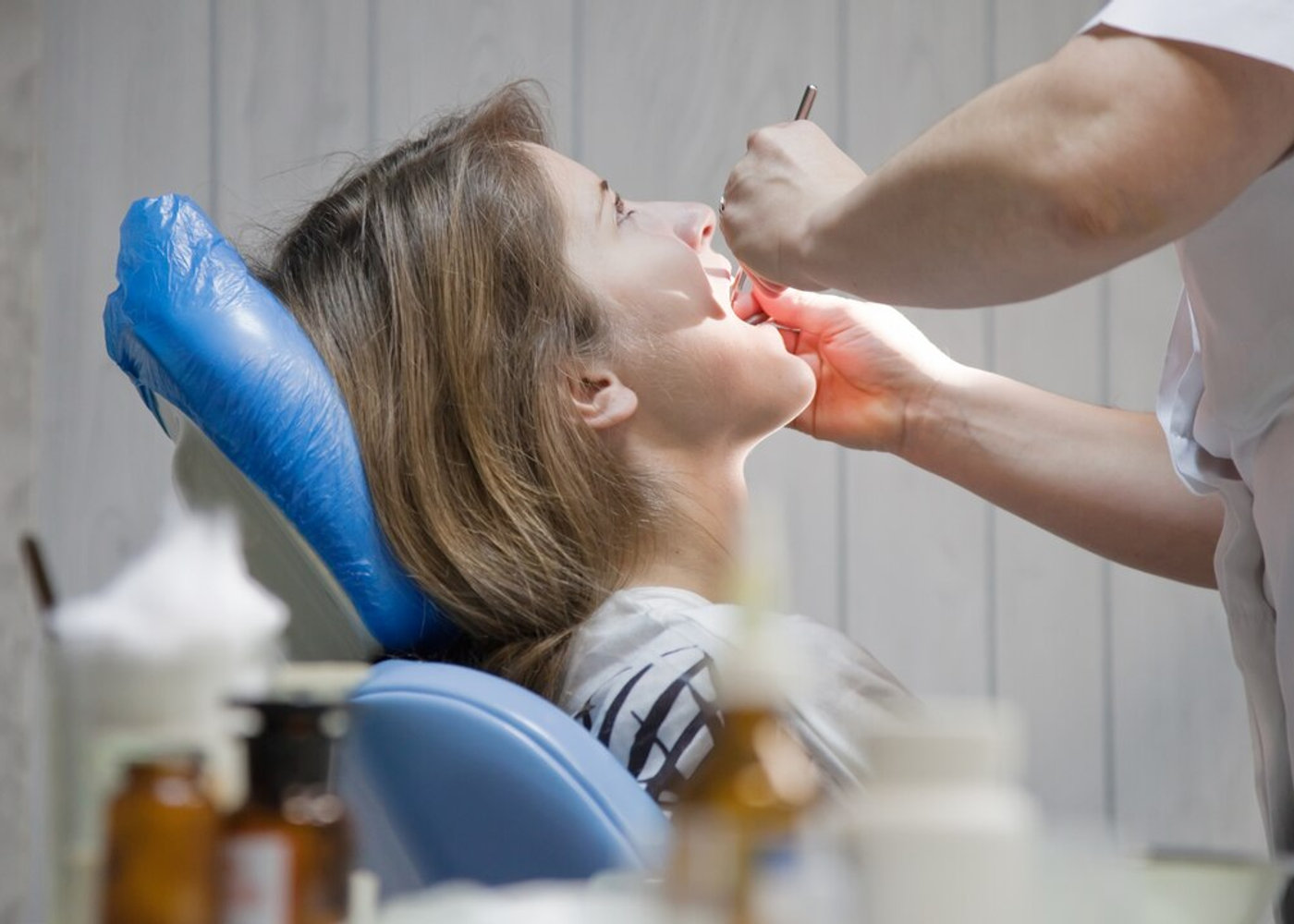
Signs of imbalance
TMJ disorders are often “the great imposter,” mimicking migraines or ear infections. This therapy is the recommended pathway if you are experiencing:
- Chronic Pain: Frequent migraines, morning headaches, or pain behind the eyes.
- Audible Symptoms: Clicking, popping, or grinding sounds when you chew or open wide.
- Restricted Movement: A feeling of the jaw “locking” or an inability to open your mouth fully.
- Dental Destruction: Teeth that are flattened, chipped, or cracked for no obvious reason (bruxism).
- Muscle Fatigue: Soreness in the neck, shoulders, or face, particularly upon waking up.
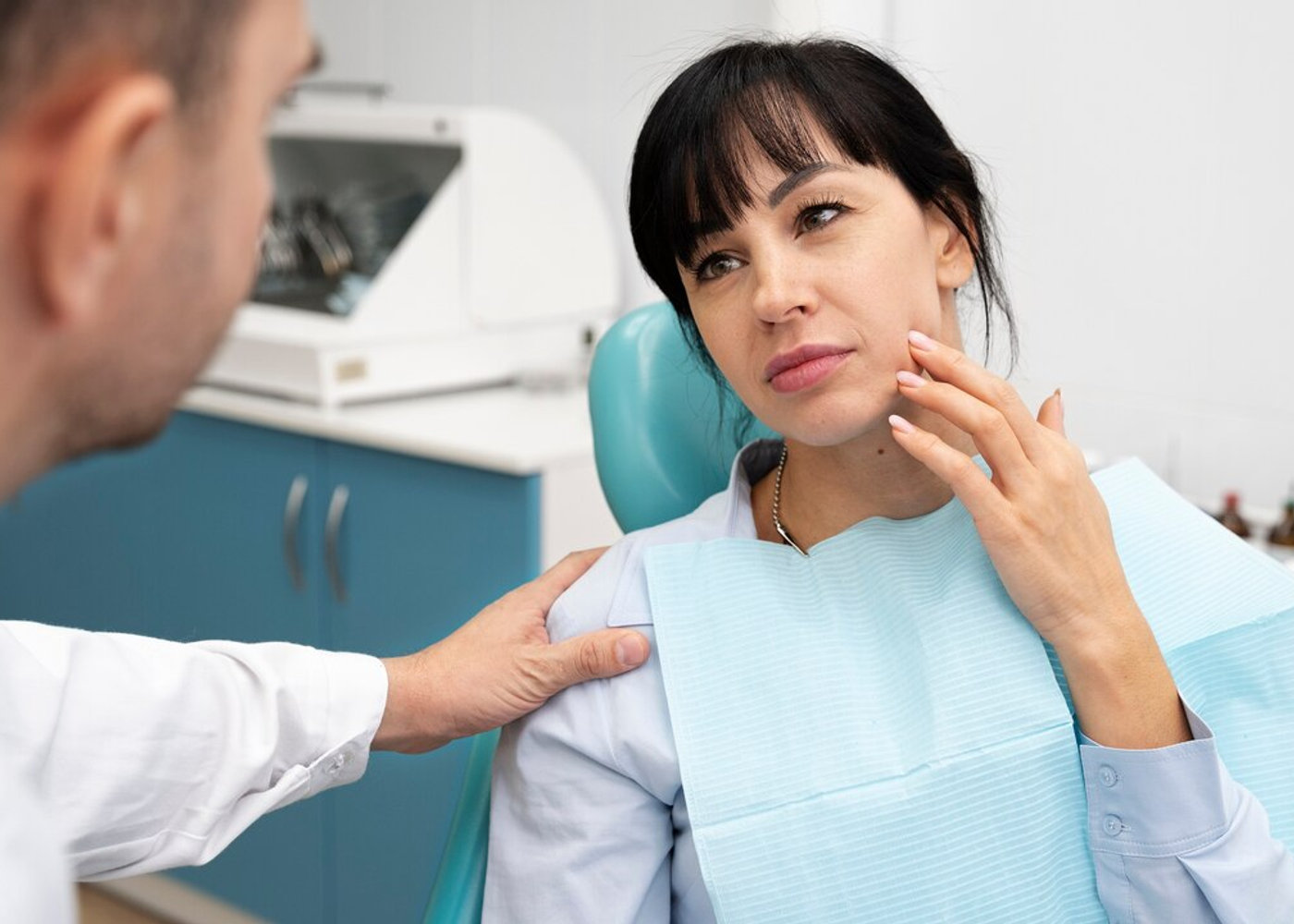
The diagnostic process
We use objective data to make the invisible visible. We don’t guess where your bite should be; we measure it.
Digital Analysis
We use advanced diagnostic tools (like T-Scan or Electromyography) to measure your bite force and the electrical activity of your jaw muscles in real-time.
Decompression
We may use a custom-fabricated orthotic (splint) worn over your teeth, preventing them from locking into their bad habit and allowing the jaw muscles to relax into their natural position.
Stabilization
Once the pain subsides and the bite is stable, we verify the new jaw position.
Long-Term Correction
We may maintain the result with a night guard, or permanently correct the bite using orthodontics (Invisalign) or restorative dentistry to hold the jaw in its healthy place.
Why BOND Aesthetic for TMJ help?
We approach TMJ therapy with a neuromuscular mindset — treating the muscles and nerves, not just the hard tissue.
Non-Invasive First
We believe in reversible, conservative therapy (like splints) before recommending irreversible changes to your teeth.
Data-Driven
We rely on digital metrics to prove that your bite is balanced, rather than relying on how it “feels” while you are numb or lying down.
Whole-Body View
We understand that a bad bite can affect your posture and cervical spine health.
Frequently asked questions
Is TMJ disorder curable?
For most patients, it is highly manageable and often resolvable. By removing the trigger (the bad bite), the symptoms (pain/clicking) usually disappear. However, if the joint itself is damaged (arthritis), we manage the condition to prevent progression.
Do I need surgery?
Rarely. Less than 5% of TMJ cases require surgical intervention. The vast majority are muscular issues that can be solved with bite therapy, splints, or orthodontics.
Why does my jaw click?
The click is usually caused by the small cartilage disc inside the joint slipping out of place and then popping back in as you open your mouth. Therapy aims to recapture this disc or prevent it from slipping further.
Will I have to wear a mouthguard forever?
Not necessarily. The orthotic is a diagnostic tool. Once we find the comfortable jaw position, we can discuss permanent ways to keep your jaw there without needing to wear an appliance during the day.
In the heart of Aventura
Our office is conveniently located for patients in Aventura, Ojus, Highland Lakes, and those commuting from nearby areas like Sunny Isles Beach and Hallandale Beach.
Smile brighter today
Fill out the form and smile brighter today!
Book an Appointment